
People sometimes think the grounders in the show were just scattered survivors living in forests. That idea misses how structured their culture actually was. The groups had languages, alliances, territory boundaries, and strict leadership rules. When viewers search “The 100” cast grounders, they usually want to understand how these characters formed such organized societies after a nuclear apocalypse. The show hinted that generations had passed on Earth before the Sky People returned.
Language played a huge role in their identity
One unusual element of the Grounder culture involved the language called Trigedasleng (“Forest Language”). It sounded rough and shortened, almost like broken English evolving over decades. Linguists who watched the show noticed that the language followed consistent patterns. It was not random television dialogue. Discussions around “The 100” cast grounders often mention how language helped separate grounders culturally from the Ark survivors.
Clans formed the backbone of society
The Grounder society was not a single group of people who went about wandering together. Rather, the land was subdivided into a number of clans, with each having its own territory. Certainly, these clans collaborated, yet the wars appeared very often. Viewers researching the source of “The 100” world-building often notice how much effort the writers placed into clan structure. Each clan carried its own traditions and political expectations.
The leadership system felt strict and ancient
Grounders followed a leadership system centered around a commander. This leader held power across multiple clans if they earned enough loyalty. The idea of a chosen commander created stability but also intense political struggle. Many characters inside “The 100” cast grounders’ storylines competed for influence around that position. Loyalty, reputation, and combat strength played important roles during leadership disputes.
Training started at a very young age
Children inside grounded communities are often trained early in survival and combat skills. Their world demanded constant readiness against threats from rival clans or outsiders. Because of that environment, young fighters developed practical skills quickly. Discussions about the source of “The 100” setting often highlight how harsh living conditions shaped childhood across Grounder territories.
Clothing reflected survival priorities
Grounder clothing looked rough, layered, and patched together from many materials. That design was not only for visual style on television. The costumes reflected practical survival thinking in a damaged environment. Thick clothing, leather, and layered clothing served in terms of protective weather-related issues and battle preparedness. The costume design supported cultural identity, often noted by fans of “The 100” cast members.
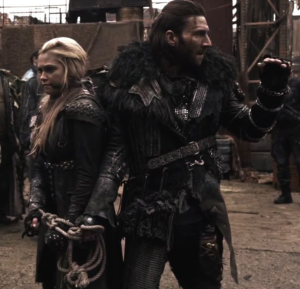
Territory disputes appeared frequently
Clans often guarded their land carefully because resources were limited. Water access, farmland, and shelter locations became important political issues. Those disputes created tension across several seasons of the show when people research the source infrequently. The source “The 100”; they sometimes notice how geography influenced alliances and betrayals.
Rituals carried symbolic meaning
Grounder rituals looked intense on screen, sometimes even brutal. These traditions had symbolic meaning connected to strength, loyalty, and survival. Ceremonies for leadership challenges or warrior recognition reinforced social hierarchy. Observers discussing “The 100” cast grounders usually mention how rituals helped unify clans under shared cultural rules.
Their technology level stayed uneven
Grounders lived in a strange technological situation. Some tools were simple and handcrafted, yet other pieces came from remnants of the old world. Weapons sometimes combined traditional blades with salvaged materials. The setting described in the source, “The 100” universe, never fully returned to advanced technology, but fragments of the past remained scattered across the land.
Conflicts with the Sky People changed everything
When the Ark survivors arrived on Earth, the grounder societies suddenly faced unfamiliar outsiders. These newcomers carried advanced weapons and very different cultural values. That clash created some of the most intense conflicts in the show. Many conversations about “The 100” cast grounders revolve around how both sides struggled to understand each other.
Conclusion
The grounders represent one of the most detailed cultural groups developed in the series. Their culture, tribal politics, and survival culture made them have a plausible post-apocalyptic society. Individuals researching the origin of “The 100” backgrounds tend to learn the extent to which the world-building of the grounded world was influenced by research. Instead of random survivors, the show presented communities that adapted slowly over generations. Understanding their structure helps viewers appreciate the deeper layers of the story. Examining these cultural elements also reveals how human societies rebuild identity even after massive global disasters.


